How Nature Guides and Field Notes Cross Language Barriers.
09 May, 2024· Article by David Brown


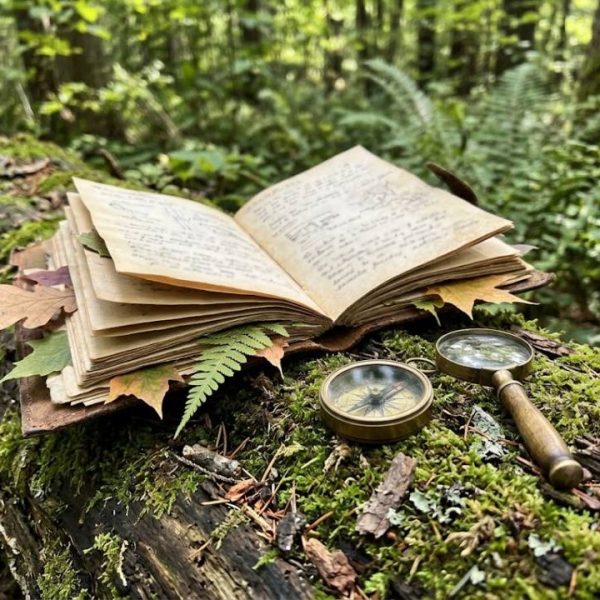
A good field guide turns a walk in the woods into a conversation. It tells you which bird is calling, which mushroom to leave alone, and which track crosses the path. That conversation ends abruptly when the guide is written in a language you do not read. Nature does not recognize borders, yet much of what we know about it is locked inside single-language books and notes.
Here is how naturalists, publishers, and park teams can help field knowledge cross language barriers without losing accuracy.
Why Language Matters in the Field
Visitors, volunteers, and researchers come from everywhere. A hiker who cannot read a warning about a protected nesting area may disturb it without knowing. A volunteer who misunderstands a survey protocol may record unusable data. Clear text in the right language protects both people and wildlife.
Conservation groups such as the International Union for Conservation of Nature publish their work in several languages precisely because the audience for nature is global.
Names Are the First Challenge
A single plant or animal can have a dozen common names across languages and regions, and some names point to different species in different places. Scientific names help, but readers rarely use them in daily life. Good translators pair the local common name with the scientific one on first mention, then stay consistent throughout the document.
Keep a species list with approved names in every language, and share it with everyone who edits the text.
Technical Terms Need Specialists
Words such as canopy, understory, scat, and moult carry exact meanings in biology. A general translator may choose a close but wrong term, which confuses readers and weakens trust in the guide. Specialists know the field vocabulary and consult experts when a term is uncertain.
This overview of technical translation explains why subject knowledge matters as much as fluency when texts contain precise terminology.
Writing Habits That Help Translators
Authors can make translation easier by writing plainly. Use short sentences, avoid local slang, explain abbreviations, and describe what a photo shows in the caption. Notes about habitat, season, and behavior should be complete enough to stand alone, since translators cannot ask the author in the middle of a trail.
Scandinavia as a Case Study
Northern Europe has a rich tradition of nature writing, from coastal birding guides to forest management handbooks. Publishers moving these works into English, or English guides into the region, often use specialist danish translation services to keep terminology and tone faithful to the original.
Signs, Maps, and Safety Notices
Trail signs must be understood in seconds. Short phrases, pictograms, and consistent wording work better than long paragraphs. Test each sign with a native reader who has never seen the trail, and check that translated warnings sound as serious as the originals. Weather, water, and wildlife notices deserve the most careful review.
Citizen Science Depends on Clear Instructions
Many projects rely on volunteers who count birds, record insects, or photograph plants. Instructions that work in one language may fail in another if they depend on idioms or local habits. Translate protocols, test them with small groups, and ask volunteers to report anything confusing before the full season begins.
Respect Local and Indigenous Knowledge
Many communities have names, stories, and practices connected to the land that go far beyond what a field guide records. When these are included, work with community members, credit them properly, and let them review the translated text. Words carry history, and a careless rendering can erase it.
Digital Guides and Apps
Mobile guides make it easy to offer several languages in one product. Plan the structure so that each language version can grow independently, with space for longer words and different alphabets. Update all versions together when a species is reclassified or a rule changes, and keep a record of who approved each text.
Photography and Captions
Images tell part of the story in every language. Check that captions match the pictures, that labels on diagrams are translated, and that units such as meters and kilometers fit local habits. A beautiful photograph with a confusing caption leaves readers less informed than no photograph at all.
Test Before You Print
Ask a small group of readers from the target language to follow the guide on a short walk. Their confusion will show where the text is unclear, where a term is unfamiliar, and where the layout needs work. A weekend of testing costs little compared with reprinting a guide.
Build Long-Term Partnerships
Nature knowledge grows year by year. Working with the same translators and reviewers over time builds a shared vocabulary and a consistent voice. It also makes updates faster, because the team already knows the project and its standards.
Final Thoughts
Language should never be the reason a person misses a rare bird or ignores a safety warning. With clear writing, careful translation, and respect for local knowledge, field guides can travel as far as the species they describe.
Recent Posts
What Is Regenerative Agricultu...
Murs en pierre sèche, un refu...

Explorer la richesse écologiq...
Wie wir die Willunga Basin Nat...

Why the Willunga Basin Matters...

How Editing and Proofreading S...
Share it.

Links
We use cookies
We use cookies to give you the best online experience, remember your preferences, and understand how the site is used. You can accept all cookies, reject optional ones, or choose which categories to allow.
Privacy PolicyCookie preferences
Choose which cookies we can use. Necessary cookies stay on because the site cannot work without them.
For more details, read our Privacy Policy.