How Farmland Can Protect Wildlife in the Willunga Basin.
08 November, 2026· Article by Alex Reed


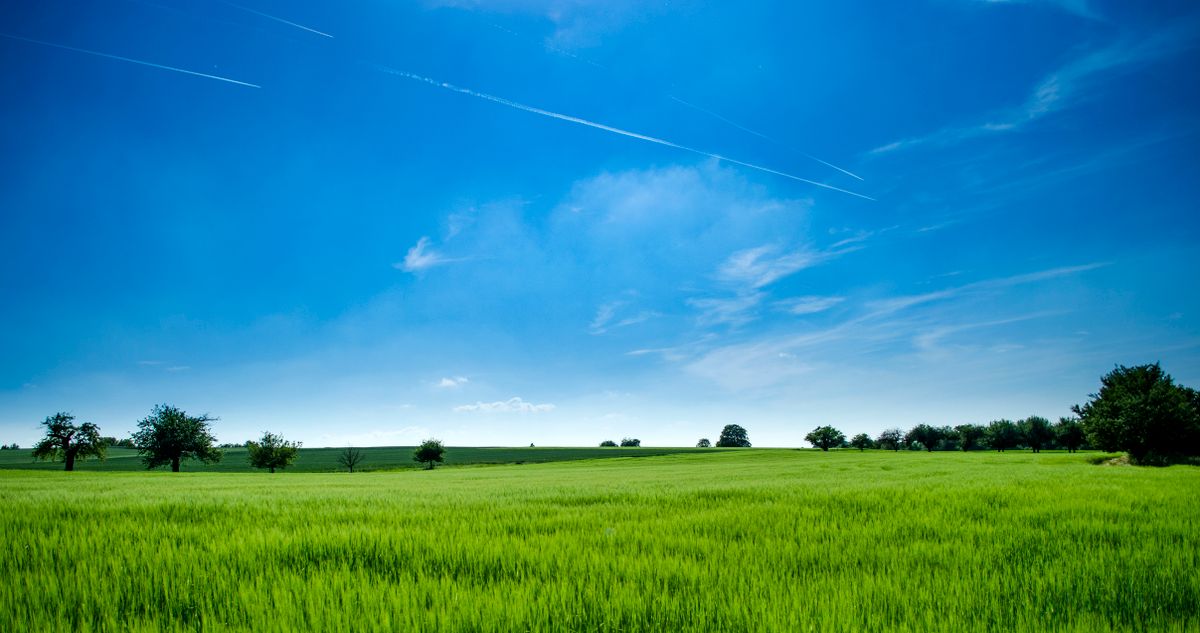
A farmer on the edge of the Willunga Basin walks a fence line at dawn and counts the birds that have returned to a strip of native shrubs. Three years ago that strip was bare ground. Today it holds wrens and honeyeaters and a family of echidnas. The change cost very little and it began with a simple choice.
Farmland covers most of the Willunga Basin and the land holds more life than many visitors expect. Creeks and stone walls and old gum trees give shelter to birds and reptiles and insects. When a paddock keeps even a thin band of native plants the whole farm gains a living network that supports soil and water.
Wildlife corridors are the plain idea behind this. A corridor is a strip of habitat that links one patch of bush to another so that animals can move and feed and breed. Without it a small population can be cut off and fade over time. With it the same animals can travel across the district.
Good corridors are not made by one person alone. Landholders and councils and volunteer groups and seasonal workers all take part. Each of them needs to read the same plan and follow the same safety rules and understand the same names for plants and tools.
This article looks at how farm habitat protects wildlife in the Willunga Basin. It covers what a corridor is and how farmers plant one and how local groups can share their message with people who speak other languages. It is written for readers who care about the land and want practical steps.
What a Habitat Corridor Does on a Working Farm
A corridor can be as small as a double row of local shrubs along a fence. It gives birds a safe path and it breaks the wind that dries the soil. Many farms also add a patch of long grass beside a dam so that frogs and lizards have cover. Groups that produce a short audio guide for visitors often turn to a multilingual voice over so that every listener hears the same walking route in a familiar tongue.
The benefits reach beyond wildlife. Native plants hold the soil in heavy rain and they draw in insects that eat crop pests. Farmers who plant them often report less erosion along creek banks and fewer sprays in the growing season. Over several years the cost of the planting is repaid by healthier paddocks. A neighbour who sees the change often asks how to start. That curiosity is the best tool a local group has because advice from one farmer to another travels faster than any leaflet.
Plant With Local Species and Local Knowledge
Polish translation services help a farm group that hosts seasonal workers and volunteers from Poland. A planting day works best when everyone knows which seedlings go where and why. A bilingual sheet with plant names and spacing and safety notes avoids mistakes that waste a morning of work.
Seedlings should come from local seed so that they suit the soil and the rainfall of the district. Ask a nursery which species grew here before the land was cleared and choose a mix of trees and shrubs and ground cover. Water them for the first two summers and protect them from rabbits with simple guards. Mulch around each seedling to hold moisture and cut weeds. Check the guards after storms because wind can lift them and leave young plants exposed.
Share the Message in More Than One Language
Many Basin visitors and workers come from countries far away. Some speak the Romanian language at home and read English only with effort. A short guide to local birds or to the fire rules in summer is far more useful when it appears in the Romanian language as well. Our audio translation guide shows how spoken tours can carry the same message. Learn more from BirdLife Australia about the bird species that benefit most from planted corridors.
Keep each sheet short and use pictures wherever you can. Test the text with a native speaker before you print it. The Romanian language has special letters that break on some printers so ask for a proof at the final size. Polish translation services will often catch the same problem in Polish endings. The WWF Australia site also shares plain advice on habitat and land care that a small group can adapt to its own district.
Keep the Work Going Every Season
A corridor is never finished in one year. Record what you planted and when and take a photograph from the same spot each spring. Share the results with neighbours and invite them to join the next planting day. When people see the birds return they tend to join in. A simple map pinned at the local hall helps newcomers see where the corridors run and where they can walk without disturbing nesting birds.
Keep a small glossary of local plant names and safety terms in each language your group serves. Update it when you add new species. Polish translation services and a reviewer who knows the Romanian language can check the list once a year so that old errors do not spread.
Healthy farmland and clear words go together. A paddock that welcomes wildlife and a team that can read the plan will protect the Willunga Basin for years to come.
Recent Posts
Come Proteggere la Fauna nei C...
Cómo Proteger la Fauna en las...
What Is Regenerative Agricultu...
Murs en pierre sèche, un refu...

Explorer la richesse écologiq...
Wie wir die Willunga Basin Nat...
Share it.

Links
We use cookies
We use cookies to give you the best online experience, remember your preferences, and understand how the site is used. You can accept all cookies, reject optional ones, or choose which categories to allow.
Privacy PolicyCookie preferences
Choose which cookies we can use. Necessary cookies stay on because the site cannot work without them.
For more details, read our Privacy Policy.