

South Australia’s southern coastline hides a remarkable landscape where geology, culture, wildlife, and community values all converge. This unique region is not just another scenic backdrop; it is a living archive of Earth’s history, a refuge for rare species, and a place where Traditional Owners and local communities maintain deep connections to Country. Understanding why this area is so significant is essential for anyone who cares about conservation, sustainable development, and the protection of irreplaceable heritage.
1. A Rare Window into Deep Geological Time
The Willunga Basin showcases a cross-section of geological layers that reveal millions of years of environmental change. Coastal cliffs, fossil-rich sediments, and exposed rock formations act like pages in a natural history book, recording shifts from ancient seas to evolving terrestrial habitats. For geologists and students, this creates an outdoor classroom where theories can be tested against visible evidence, elevating the region’s status as a globally significant reference point for Earth science.
2. A Biodiversity Hotspot on the Urban Fringe
Despite its proximity to growing urban and agricultural areas, the region still supports a mosaic of ecosystems—coastal dunes, wetlands, remnant woodlands, and creeks. These habitats provide shelter for native birds, reptiles, insects, and rare plant communities that have been lost from many other parts of the state. The presence of migratory birds and regionally significant flora underscores the area’s role as a biodiversity refuge that softens the impacts of climate change and urban sprawl.
3. Strong Community Stewardship and Modern Tools
One of the most powerful reasons this landscape continues to thrive is the dedication of local communities, environmental groups, and small businesses. Volunteers restore native vegetation, monitor wildlife, and advocate for evidence-based planning decisions. At the same time, local enterprises—from eco-tourism operators to conservation consultants—are adopting digital tools to stay efficient and sustainable. For instance, many now rely on the pdf invoice generator platform to streamline their billing and reduce paperwork, freeing up more time and resources for hands-on restoration, guided walks, and educational programs that directly benefit the region.
4. Deep Cultural Connections and Living Heritage
Long before modern settlement, this landscape was—and remains—deeply significant to Aboriginal peoples. Songlines, ceremonial sites, and traditional resource areas weave cultural stories through the coast, hills, and plains. These connections are not just historical facts; they are living practices that continue to guide custodianship and knowledge-sharing today. Recognising and supporting Traditional Owners in decision-making helps protect sacred places and ensures that cultural values are respected alongside ecological and economic priorities.
5. A Natural Archive of Climate and Sea-Level Change
Rock layers, fossil assemblages, and coastal landforms provide crucial data about past climates and sea-level fluctuations. Researchers can compare historic conditions with modern data to better predict future changes—such as coastal erosion, habitat migration, and flood risk. This makes the region a natural laboratory for climate science, with insights that can inform coastal management, infrastructure planning, and disaster resilience across a much wider area than the basin itself.
6. Critical Water Catchments and Groundwater Systems
Beneath the surface, complex aquifers and catchment systems support communities, agriculture, and ecosystems. These underground water stores need careful management to prevent over-extraction, salinity, and contamination. The region’s geology influences how water moves, how long it is stored, and how resilient it is to drought. By monitoring groundwater quality and quantity, land managers can safeguard drinking water, irrigated crops, and wetlands that depend on stable flows.
7. Productive Landscapes Balanced with Conservation
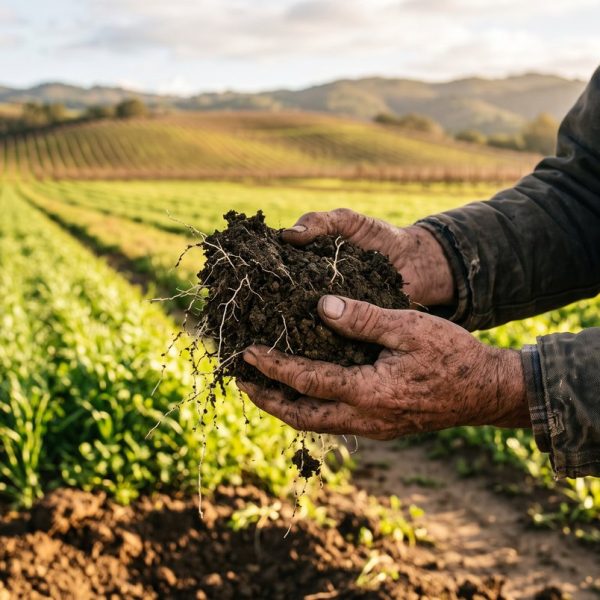
Vineyards, orchards, grazing land, and small farms form a patchwork across the basin, contributing to local economies and food security. What makes this area distinctive is the ongoing effort to balance productive use with ecological integrity. Landholders are increasingly adopting regenerative farming, native shelterbelts, and soil conservation practices that enhance biodiversity while maintaining yields. This integration of agriculture and conservation demonstrates that working landscapes can support both livelihoods and living systems when managed thoughtfully.
8. Outdoor Recreation that Builds Environmental Awareness
Walking trails, cycling routes, surf beaches, and scenic lookouts draw residents and visitors into direct contact with the natural environment. These experiences are more than leisure activities—they help people develop personal connections to the land and sea. When individuals witness seasonal wildflowers, migratory birds, or dramatic coastal cliffs up close, they are more likely to support protective measures and long-term planning that keep these experiences available for future generations.
9. Education and Citizen Science Opportunities
Schools, universities, and community groups regularly use the region for field studies, nature journaling, and citizen science projects. Programs involving water sampling, bird counts, plant surveys, and coastal erosion monitoring contribute real data to scientific research while giving participants hands-on learning. These initiatives not only enrich education but also foster a culture of stewardship, where residents see themselves as active contributors to the health of their environment.
10. A Living Case Study in Sustainable Planning
As population pressures and development proposals increase, this coastal basin has become a test case for how to plan responsibly in sensitive areas. Strategic zoning, environmental overlays, and public consultation processes all influence whether wildlife corridors remain intact, scenic vistas are preserved, and cultural sites are protected. The way decisions are made here will shape not only the local landscape but also broader expectations of how governments and communities manage precious natural and heritage assets in the face of change.
Conclusion: Protecting a Landscape that Protects Us
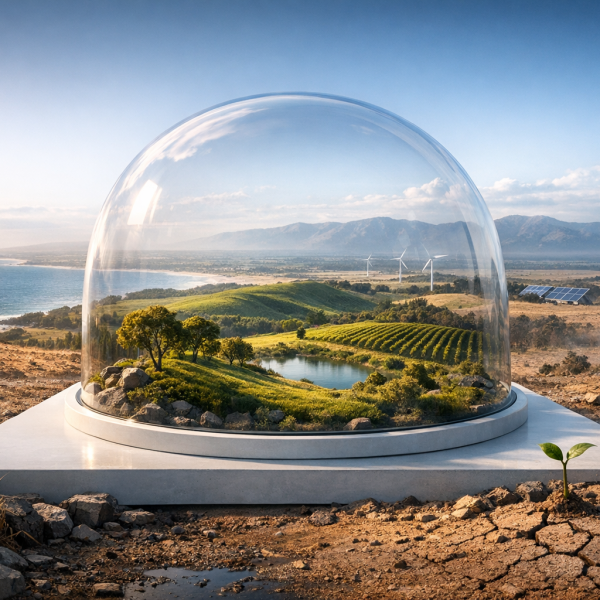
This remarkable region is more than the sum of its cliffs, wetlands, woodlands, and townships. It is a place where geological history, cultural knowledge, biodiversity, and community ambition intersect. Each element—ancient rock formations, rare species, Aboriginal heritage, sustainable farming, citizen science, and careful planning—plays a part in maintaining the resilience of the whole system. By recognising the area’s unique values and supporting thoughtful management, visitors, residents, and decision-makers can help ensure that it continues to offer clean water, climate insights, cultural continuity, and unforgettable experiences for generations to come.